How to Stage Your Home for Sale in Canada
A Canadian stager's complete guide to preparing your home for sale. Room-by-room tips, budget advice, and seasonal strategies.
Georgia Home Design
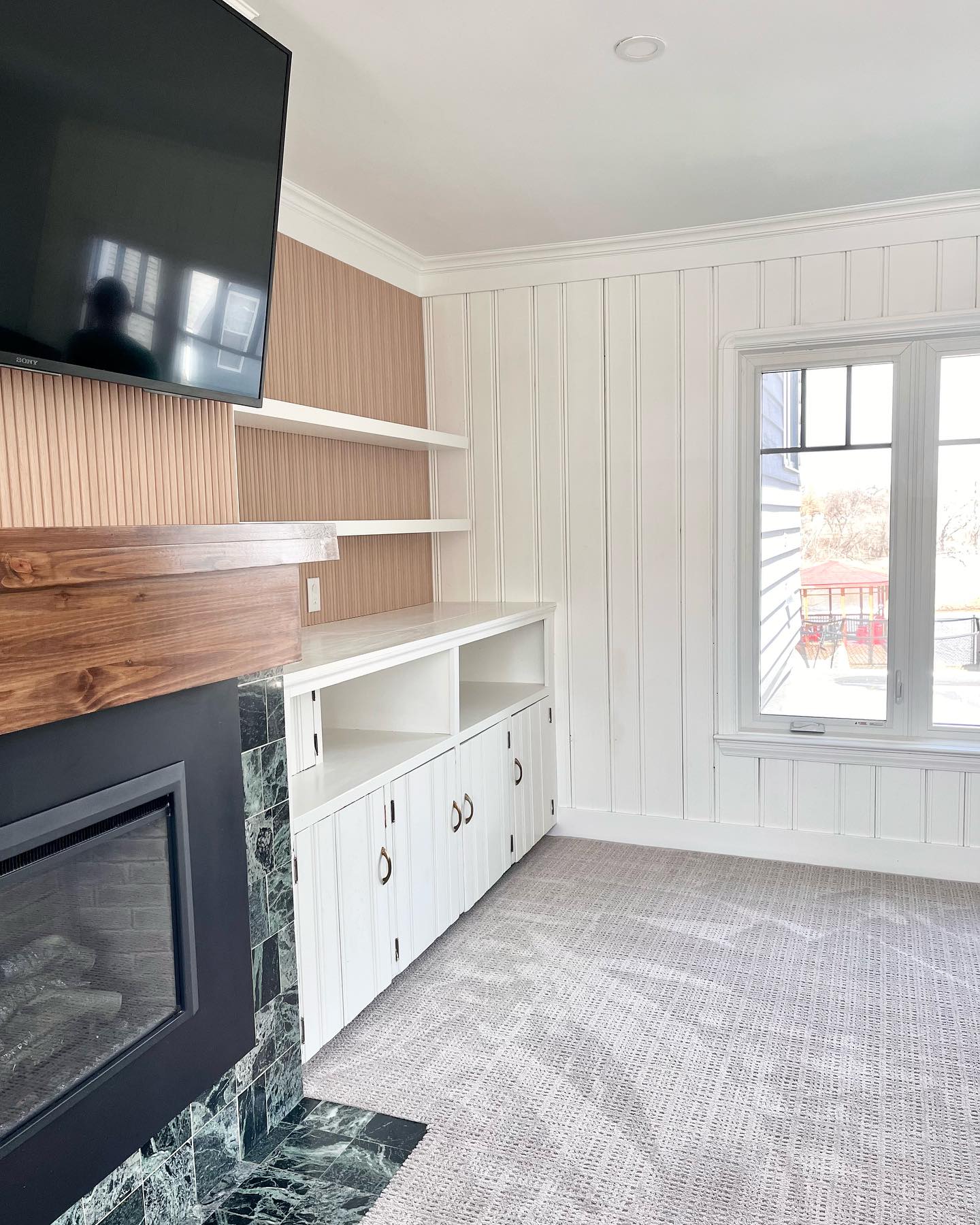
Staging a home for sale in Canada comes with challenges you won’t find in warmer markets. Depending on when you list, you’re dealing with short daylight hours, bulky winter gear cluttering entryways, or dry summer heat that makes fresh flowers wilt by noon. And buyers here (whether in Winnipeg, Toronto, or Vancouver) expect homes to feel warm, functional, and move-in ready.
I’ve staged hundreds of homes across Manitoba, and the process always follows the same core principles. Unique angle here: Canadian seasons and buyer expectations, not a weekend DIY punch list. If you are doing the work yourself, the DIY home staging guide is the step-by-step version. The occupied Winnipeg listing (3:30 p.m. photos, salt at the side door, buyers who open the basement) lives in the Winnipeg home staging guide. Use this page for the Canada-wide sequence. Use that page when the house is a prairie bungalow you still live in.
This is planning advice from Georgia Home Design, not a lab test and not a priced bid. Cost bands below are research ranges from listing packages we see.
Why Staging Matters in Canada’s Market
The Canadian real estate market has tightened over the past two years. Higher interest rates mean buyers are pickier. They’re not just looking at square footage and location, they’re assessing how a home feels. Staging bridges the gap between a house and a home someone wants to buy.
Industry groups publish staging-speed figures that get repeated in every market. Treat those as research citations, not measurements we ran on your street, and not a lab test. In competitive markets like the Greater Toronto Area or Metro Vancouver, staging is almost expected. In markets like Winnipeg and the Prairies, staging still gives you an edge because fewer sellers do it. The local version of this process (winter light, side-door salt, the basement door) is the Winnipeg home staging guide.
For a deeper look at what staging costs and the return on investment, check out our guide on How Much Does Home Staging Cost?.
Start with the Buyer’s First Impression
Exterior and Curb Appeal
Canadian buyers form their first opinion before they step inside. In winter, that means a shovelled walkway, de-iced steps, and warm porch lighting that fights the 4:30 PM sunset. In summer, it means trimmed hedges, a power-washed driveway, and planters with colour.
Here’s what to prioritize by season:
Winter (November to March):
- Clear snow and ice from all walkways within hours of a storm
- Add outdoor lighting, solar path lights, a warm-toned porch fixture
- Place evergreen arrangements in planters flanking the front door
- Keep the garage door closed and the driveway tidy
Spring/Summer (April to October):
- Power wash siding, walkways, and the driveway
- Plant seasonal annuals in containers near the entry
- Mow, edge, and maintain the lawn weekly
- Paint the front door a fresh, welcoming colour
For winter-specific strategies, our complete guide on Curb Appeal in Winter covers everything from lighting to landscaping under snow.
The Declutter and Depersonalize Phase
This is where most homeowners struggle. You’re emotionally attached to your space, and that attachment works against you when staging.
The rule of thirds: Remove at least one-third of your belongings. If a room has twelve items on display, it should have four when staged. This applies to shelves, countertops, closets, and storage areas.
What comes down:
- Family photos, kids’ artwork on the fridge, personal memorabilia
- Religious and political items
- Collections (figurines, sports jerseys, vintage finds)
- Excess furniture, if you have to walk around a piece to get through the room, it goes
What stays:
- Neutral artwork or mirrors
- A few books, neatly arranged
- Simple decorative objects, a ceramic vase, a wooden bowl, a single candle
The goal is to let buyers imagine their own belongings in the space. Every personal item pulls them out of that vision.
If you’re comfortable tackling this yourself, our DIY Home Staging Guide walks you through the process room by room.
Room-by-Room Staging for Canadian Homes
Living Room
The living room is the emotional centre of any showing. Arrange furniture to create a conversation area, pull the sofa away from the wall, angle chairs toward each other, and anchor the grouping with a rug.
Light is critical in Canadian homes, especially from October through April when natural light is limited. Use a minimum of three light sources: overhead, a floor lamp, and a table lamp. Warm-toned LED bulbs (2700K) create the cozy atmosphere buyers crave during Canadian winters.
Quick wins:
- Fresh throw pillows in neutral tones (cream, sage, charcoal)
- A lightweight throw draped over the sofa arm
- One coffee table book, one plant, one candle on the coffee table
- Remove anything that blocks windows
Kitchen
Canadian buyers scrutinize kitchens harder than any other room. They want to see counter space, storage, and cleanliness.
- Clear 90% of the countertop. Keep a cutting board, a plant, and maybe a bowl of fruit
- Organize the inside of cabinets, buyers will open them
- Replace dated hardware. New pulls cost $3 to $5 each and modernize the whole room
- Deep clean the oven, range hood, and behind the fridge
- Add under-cabinet lighting if possible, it transforms a kitchen for under $50
Primary Bedroom
Make it feel like a retreat. New white bedding ($100 to $200 at Homesense or IKEA) is the single highest-impact purchase you can make for staging. Create symmetry with matching lamps on each nightstand, and remove the TV.
Bathroom
White rolled towels. A eucalyptus sprig in a small vase. Re-caulk anywhere the sealant is discoloured. Close the toilet lid. That’s the formula, simple and clean.
Mudroom or Entryway
This room matters more in Canada than anywhere else. Buyers will picture themselves handling boots, coats, toques, and ski gear in this space. Make sure it looks functional, not chaotic.
- Clear all but one pair of shoes
- Hang two or three coats maximum
- Add a clean boot tray
- Include a small bench if space allows
- Make sure the lighting is bright and warm
Seasonal Staging Strategies for Canada
Winter Staging
Winter showings in Canada mean buyers arrive in the dark, track in snow, and assess how warm the home feels. Here’s how to stage for it:
- Set the thermostat to 21°C before showings
- Light a few unscented or lightly scented candles (nothing overpowering)
- Put out a fresh doormat and keep a boot tray at the entrance
- Layer textures (throws, pillows, area rugs) to make rooms feel warm
- Ensure exterior lighting is on a timer so the house glows from the street
Spring and Summer Staging
Summer is your chance to showcase outdoor living space, which Canadian buyers rarely get to enjoy for more than five months.
- Stage the deck or patio with outdoor furniture, even if simple
- Open all windows before a showing to bring in fresh air
- Use lighter textiles, linen throws, cotton pillow covers
- Fresh flowers on the dining table and in the bathroom
- Mow the lawn the day before each showing
The Pre-Showing Checklist
I give this routine to every homeowner I work with. Run through it 20 minutes before any showing:
- Open all blinds and curtains
- Turn on every light in the house
- Fluff pillows and straighten bedding
- Wipe down kitchen and bathroom surfaces
- Take out the trash
- Put away dishes, shoes, and personal items
- Set the thermostat to 21°C
- Add fresh flowers if the previous ones have wilted
- Remove pets and all pet items
- Leave the house
Common Staging Mistakes Canadian Sellers Make
Over-staging the mantle. A fireplace is a selling point, especially in winter. Don’t bury it under decor. One piece of art above, two simple objects on the mantle, that’s it.
Ignoring the basement. In Canadian homes, the basement is often the largest room. Even if it’s unfinished, sweep the floor, organize stored items, and add bright lighting. Buyers are imagining a future rec room, office, or gym down there. In Winnipeg they will also smell it. If the slab wets after a thaw, that is a basement renovation conversation, not a candle. Do not finish a rec room for a 60-day listing when a lit, dry, honest storage wall would have sold the house.
Leaving winter gear visible. A hallway full of ski poles, hockey bags, and six pairs of boots screams chaos. Temporarily store seasonal gear off-site or in the garage.
Using air freshener. Buyers notice artificial scents immediately, and they wonder what smell you’re covering up. If there’s an odour issue, find the source and fix it. A clean home smells like nothing.
Georgia Home Design note: On a prairie listing we still walk the house the way a Saturday buyer walks it: side door, kitchen sight line, basement stair. The Canada-wide checklist on this page fails if that path is a salt ring and a hockey-bag smell. We will tell you to paint and edit. We will not tell you to open a kitchen wall for a photographer. If the kitchen layout already works, kitchen renovation ideas for Winnipeg is the stay-or-sell page, not a staging punch list.
When to skip DIY staging
The weekend list above is honest DIY when the house is occupied, the rooms are obvious, and you can edit your own stuff. Skip DIY (hire a stager, or at least a consultation) when:
- The house is vacant. Empty rooms photograph small. That sequence is how to stage a vacant house in Winnipeg.
- The listing has sat 30+ days with traffic and no offers. You are diagnosing, not fluffing pillows.
- The plan is a bungalow or split with a side door that does the real work. Scale and the first two metres are a professional problem.
- You are about to gut a kitchen or finish a basement so the listing “shows better.” If you are leaving in eight weeks, that money belongs in price or in paint.
Line-item Winnipeg bands live in Winnipeg home staging costs. The booking order is how to plan for Winnipeg home staging costs.
When to Hire a Professional Stager
DIY staging works well for homeowners who can be objective about their space. But if you’ve been on the market for 30+ days without offers, or if your home has challenging features (unusual layouts, dated finishes, or small rooms) a professional stager can make the difference.
Even a single consultation ($150 to $350, a research range from packages we see) gives you a prioritized action plan. Run a paint estimate through the Paint Calculator before you buy listing-month gallons. If the house needs a contractor instead of a stager, start with how to find a home renovation contractor in Winnipeg.
Selling your home and want a professional staging plan? Georgia Home Design offers virtual consultations across Canada. I’ll walk through your space on video and tell you exactly what to change. Book a consultation →