Canadian Home Renovation Tax Credits
Every federal and provincial home renovation tax credit available to Canadians in 2026. From the Greener Homes Grant to Manitoba's programs, here's what you can claim.
Georgia Home Design
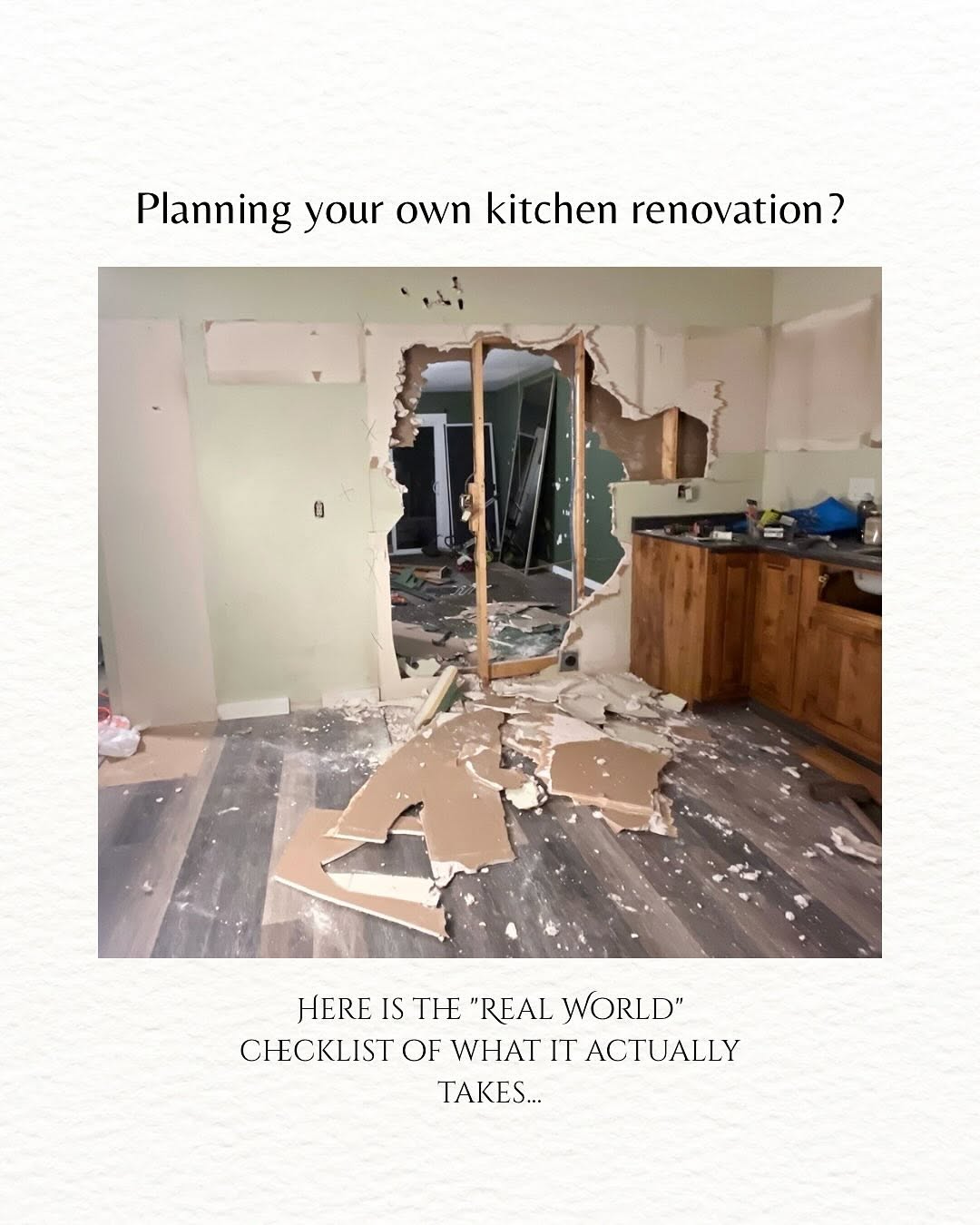
The most expensive renovation mistake isn’t picking the wrong tile. It’s finishing a $30,000 project and then learning you could have claimed $5,000 in tax credits if you’d known about them before you started.
Canadian homeowners have access to a range of federal and provincial tax credits, grants, and rebates for home renovations, but finding them requires digging through multiple government websites, each with their own eligibility rules and application timelines. This guide consolidates everything available in 2026 into one reference.
I’m a designer, not a tax professional. This guide covers the programs that exist and their general terms. For your specific tax situation, consult a CPA or tax advisor. Programs change annually, and eligibility depends on your personal circumstances.
For more on this topic, see our guide on Energy-Efficient Home Upgrades for Manitoba Homes.
Federal Programs
Canada Greener Homes Initiative
The flagship federal program for energy-efficient home upgrades. While the original grant intake period closed, the government continues to fund complementary programs and loans through 2026.
What it covers:
- Home insulation upgrades
- Air sealing
- Windows and doors (when improving energy efficiency)
- Heat pumps (air-source and ground-source)
- Solar panels (photovoltaic systems)
- Energy-efficient water heaters
How it works:
- Get a pre-retrofit EnerGuide home energy evaluation ($300-$600, partially reimbursable)
- Complete eligible upgrades using approved contractors
- Get a post-retrofit evaluation
- Submit your claim with receipts and evaluation reports
Maximum benefit: Up to $5,000 in grants depending on the upgrades, plus access to interest-free loans up to $40,000 through the Greener Homes Loan program.
Key requirement: The pre-retrofit evaluation must happen before you start work. If you renovate first and then apply, you’re ineligible.
Canada Greener Homes Loan
A separate but related program offering interest-free loans up to $40,000, repayable over 10 years, for eligible energy efficiency retrofits. This is a loan, not a grant, but interest-free financing on renovation costs is a significant financial tool.
Eligible improvements:
- Same categories as the Greener Homes Grant
- Can be combined with the grant (receive the grant and finance additional costs through the loan)
Home Accessibility Tax Credit (HATC)
A non-refundable federal tax credit for renovations that improve accessibility for seniors (65+) or people with disabilities.
What it covers:
- Wheelchair ramps and lifts
- Walk-in bathtubs and barrier-free showers
- Widened doorways and hallways
- Grab bars, handrails, and non-slip flooring
- Lowered counters and accessible cabinetry
Maximum claim: Up to $20,000 in eligible expenses per year, yielding a tax credit of up to $3,000 (at 15%).
Who qualifies: The person claiming the credit must be 65+ or eligible for the Disability Tax Credit, or be a supporting family member who pays the expenses.
Multi-Generational Home Renovation Tax Credit
Introduced in 2023, this credit supports renovations that create a secondary suite for a senior or disabled family member within an existing home.
What it covers:
- Adding a self-contained secondary unit (must include a private entrance, kitchen, and bathroom)
- Renovating an existing space to create the unit
Maximum claim: Up to $50,000 in eligible expenses, yielding a refundable tax credit of up to $7,500 (at 15%).
Key requirements:
- The suite must be for a qualifying relative (senior or person with a disability)
- The work must create a new unit or substantially renovate an existing one
- The unit must be a self-contained living space
GST/HST New Housing Rebate
If your renovation is extensive enough to qualify as a “substantial renovation” (replacing 90%+ of the interior), you may be eligible for a GST/HST rebate on the renovation costs.
Maximum rebate: Up to $6,300 for the federal portion (36% of GST paid, subject to a maximum fair market value of $450,000).
This is a niche program, but for gut renovations or major additions, it can return thousands of dollars.
Provincial Programs
Provincial programs vary significantly. Here’s what’s available in key provinces as of 2026:
Manitoba
Efficiency Manitoba Home Renovation Rebates:
- Insulation upgrades: Up to $1,500
- Air sealing: Up to $500
- High-efficiency windows: Up to $45 per window
- Heat pumps: Up to $2,500 for cold-climate air-source heat pumps
- Drain water heat recovery: Up to $500
Manitoba homeowners can stack these provincial rebates with federal programs, potentially recovering a significant portion of energy efficiency upgrade costs.
How to apply: Through Efficiency Manitoba’s online portal. Pre-approval is recommended before starting work.
For more on this topic, see our guide on Kitchen Renovation Ideas for Winnipeg Homes.
Ontario
Enbridge Gas Home Efficiency Rebate Plus:
- Up to $10,000 in rebates for combined insulation, air sealing, and heating upgrades
- Must include an EnerGuide evaluation
- Stackable with federal Greener Homes programs
Ontario Seniors’ Home Safety Tax Credit:
- 25% of up to $10,000 in eligible expenses (maximum credit: $2,500)
- For safety and accessibility improvements for seniors
- Refundable, meaning you receive the credit even if you owe no tax
British Columbia
CleanBC Better Homes and Home Renovation Rebate Program:
- Heat pumps: Up to $6,000 for qualifying systems
- Insulation: Up to $1,500
- Windows: Up to $2,000
- Building envelope improvements: Various rebates
BC has some of the most generous provincial rebates in Canada for energy-efficient renovations, particularly for heat pump installations.
Quebec
Rénoclimat Program:
- Comprehensive energy efficiency renovation rebates
- Must include pre- and post-renovation energy evaluations
- Rebates for insulation, air sealing, windows, heating systems, and water heaters
Chauffez vert:
- Up to $1,275 for replacing fossil fuel heating with electric or heat pump systems
Alberta
Energy Efficiency Alberta:
- Residential rebates for insulation, thermostats, and lighting upgrades
- More limited than some provinces but worth checking current offerings
Atlantic Provinces
Nova Scotia: Efficiency Nova Scotia offers rebates for insulation, heat pumps, and solar installations. New Brunswick: NB Power offers residential energy efficiency programs with rebates for insulation and heating upgrades. PEI: efficiencyPEI provides home insulation and heating rebates.
How to Maximize Your Renovation Tax Credits
Stack Federal and Provincial Programs
Most federal and provincial programs can be combined. For example, a Manitoba homeowner installing a heat pump could receive:
- Up to $5,000 from the federal Greener Homes Grant
- Up to $2,500 from Efficiency Manitoba
- Interest-free financing through the Greener Homes Loan for any remaining costs
That’s potentially $7,500 in grants on a $12,000-$15,000 heat pump installation.
Get the Energy Audit First
For any energy efficiency program, the pre-renovation energy evaluation is almost always required. Schedule it before you start any work, even demolition. The evaluator will identify which upgrades qualify for the largest rebates and can help you prioritize your renovation to maximize returns.
Keep Every Receipt
Tax credits require documentation. Keep:
- Itemized receipts from contractors and suppliers
- Contracts specifying the scope of work
- Before and after photos
- Energy evaluation reports
- Product specifications (especially for windows, insulation, and HVAC equipment)
- Proof of payment
Store digital copies in addition to paper. If you’re audited, having organized documentation makes the process straightforward.
Time Your Renovation Strategically
Some programs have annual funding caps that reset in April (federal fiscal year) or January (calendar year). If a program’s current-year funding is exhausted, waiting a few months for the new allocation may be worthwhile. Check program websites for current funding status before committing.
For more on this topic, see our guide on Winnipeg Housing Market.
What Doesn’t Qualify
Not every renovation earns tax credits. Generally excluded:
- Cosmetic upgrades: Paint, wallpaper, decorative lighting, landscaping (unless for accessibility)
- Appliances: Kitchen appliances, laundry machines (unless part of a qualifying energy efficiency bundle)
- Furniture and fixtures: Built-in furniture, custom shelving (unless for accessibility)
- Maintenance and repair: Roof repair, plumbing fixes, foundation repair (unless improving energy efficiency or accessibility)
- Pools, hot tubs, saunas: Recreation additions don’t qualify under any current program
The pattern is clear: credits target energy efficiency and accessibility, not aesthetics. If your renovation improves how the house performs (uses less energy, accommodates mobility needs), there’s likely a credit. If it improves how the house looks, there probably isn’t.
For design advice that balances value and aesthetics, see our guide on DIY Home Staging Guide.
Common Mistakes to Avoid
Starting work before getting approved. Many programs require pre-approval or a pre-retrofit evaluation. Starting demolition before completing this step can disqualify you entirely.
Assuming your contractor handles the paperwork. Some contractors are experienced with rebate programs and will guide you through the process. Many are not. Take ownership of the application process yourself.
Missing application deadlines. Federal and provincial programs have application windows. Mark the deadlines on your calendar and submit early. Late applications are rarely accepted.
Not checking municipal incentives. Some municipalities offer additional rebates or property tax incentives for energy-efficient upgrades. Check your city’s website or call your local building department.
Claiming credits you’re not eligible for. Be honest on your applications. Programs verify eligibility, and claiming credits for work that doesn’t qualify can trigger penalties.
Planning a renovation and want to make sure you’re capturing every available credit? Georgia Home Design offers planning consultations that include a renovation scope review to identify eligible programs. Book a consultation →