Winnipeg Housing Market, What Sellers & Buyers Need to Know
Your guide to Winnipeg's 2026 real estate market. Price trends, neighbourhood insights, staging impact, and what it all means for buying or selling a home in Manitoba's capital.
Georgia Home Design
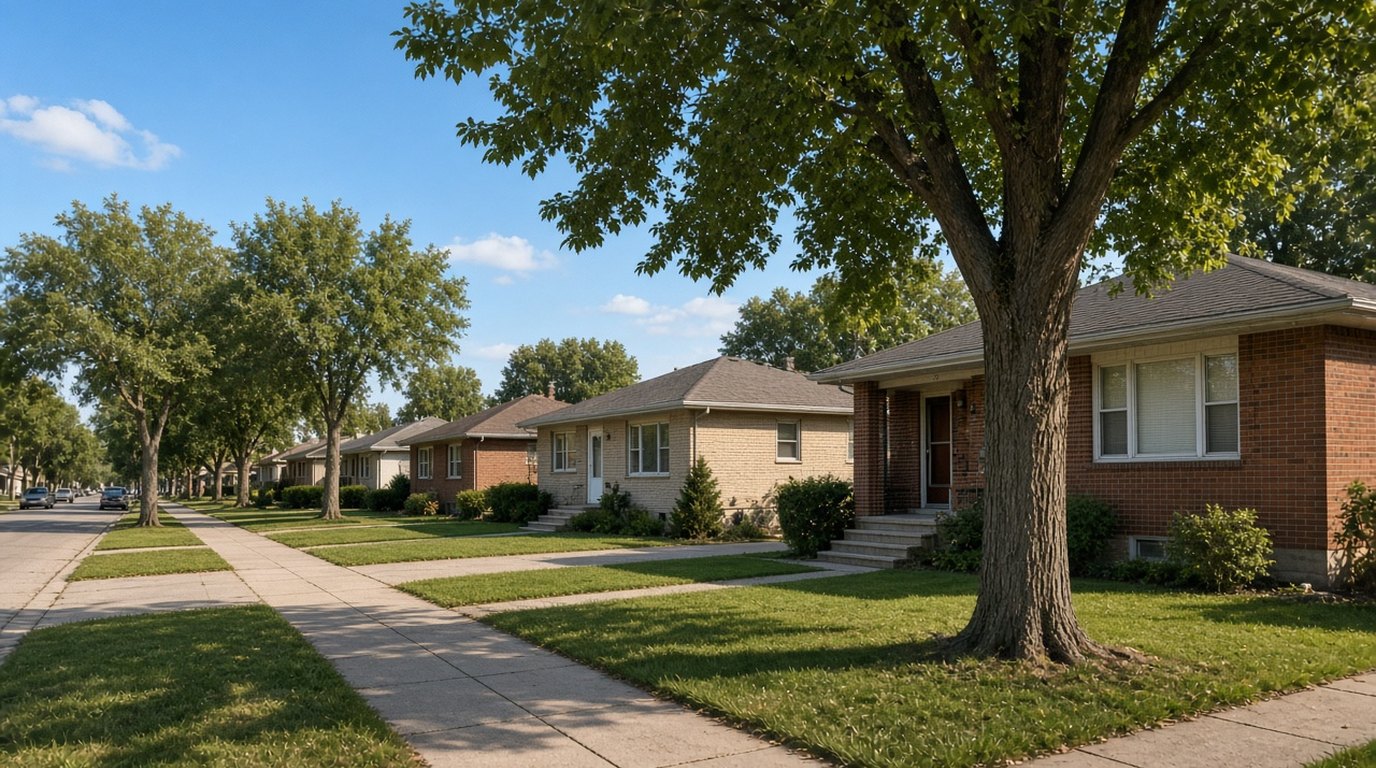
Winnipeg’s real estate market continues to offer what many larger Canadian cities can’t: genuine affordability combined with strong community, growing infrastructure, and a quality of life that’s hard to beat. But that doesn’t mean the market is static, 2026 brings shifts that both buyers and sellers need to understand.
Here’s what’s happening and what it means for your next move.
Market Snapshot: Where Winnipeg Stands in 2026
Winnipeg has remained one of Canada’s most stable and affordable housing markets. While Toronto and Vancouver grapple with sky-high prices and market volatility, Winnipeg’s median home price continues to sit well below the national average.
Key 2026 metrics:
- Median home price: ~$370,000 to $400,000 (varies by neighbourhood)
- Average days on market: 30 to 45 days for well-priced homes
- Inventory: Gradually increasing, giving buyers more choice
- Mortgage rates: Hovering around 4.5 to 5.5% (down from 2023 peaks)
- Market type: Balanced, leaning slightly toward buyers in some neighbourhoods
Neighbourhood Spotlight
Not all neighbourhoods are created equal. Here’s what’s happening across Winnipeg’s key areas:
River Heights & Crescentwood
The perennial favourite. Character homes, mature trees, walkability to Corydon and Academy Road. Demand remains strong, well-staged homes here sell quickly and often above asking. Expect $450,000 to $700,000+ depending on the home.
Wolseley
Bohemian charm meets heritage architecture. Popular with young professionals and families who value community and walkability. Prices: $350,000 to $550,000. Inventory is tight, sellers have the advantage here.
Charleswood & Linden Woods
Family-friendly suburbs with larger lots and newer builds. Strong demand from move-up buyers. Prices: $400,000 to $600,000. These homes benefit significantly from staging, the competition is other, similar suburban properties.
Bridgwater & South Pointe
New-build territories attracting first-time buyers and young families. Competitive pricing from builders keeps resale values competitive. If you’re selling a resale home here, staging is essential to compete with model-home-quality new builds.
St. Boniface & St. Vital
Strong Franco-Manitoban community. Good value proposition with growing amenities. Prices: $300,000 to $450,000. Some of the best value in the city for buyers right now.
The Exchange District / Downtown
Condo market is recovering slowly. Great option for investors and urban lifestyle buyers. Prices: $150,000 to $300,000 for condos. The key selling point is lifestyle, stage to emphasise urban living.
What’s Driving the 2026 Market?
Interest Rate Relief
After the aggressive rate hikes of 2022-2023, rates have stabilised and even begun easing. This brings sidelined buyers back into the market, particularly first-time purchasers who were priced out at higher rates.
Immigration & Population Growth
Manitoba’s Provincial Nominee Program continues to drive steady population growth. New residents need housing, both rental and ownership, creating sustained demand, particularly in affordable neighbourhoods.
Remote Work
The persistence of hybrid and remote work means buyers value home office space, neighbourhood livability, and larger floor plans more than proximity to downtown offices. This benefits suburban and semi-rural properties.
Construction Costs
Building material costs remain improved. This supports existing home values, when it’s expensive to build new, the value of existing stock holds.
For Sellers: How to Win in 2026
With inventory rising, sellers can no longer rely on scarcity to drive offers. You need to earn the sale.
1. Price It Right from Day One
Overpriced homes sit. The data is clear: homes priced correctly from the start sell faster and often for more than those that undergo price reductions. Your realtor’s comparative market analysis (CMA) is your best friend.
2. Stage Your Home
In a market with more choices, staging sets your home apart. According to the NAR, staged homes sell 73% faster and for 5 to 23% more than non-staged competitors.
Read our complete Winnipeg staging guide →
Local price bands for consultation, virtual, and physical staging are in Winnipeg home staging costs.
3. Invest in Photography
Professional real estate photography ($150 to $300) is the single highest-ROI investment in marketing your home. 97% of buyers start their search online. If your photos are taken on an iPhone in bad lighting, buyers will swipe right past.
4. Be Flexible with Showings
The more accessible your home is, the more buyers see it. Accommodate evening and weekend showings, even when it’s inconvenient.
5. Address Minor Issues
A leaky faucet, a squeaky door, a cracked outlet cover, small issues signal deferred maintenance. Fix them before listing. The cost is minimal; the perception impact is massive.
For Buyers: How to Handle 2026
1. Get Pre-Approved First
In a balanced market, well-prepared buyers have use. A mortgage pre-approval shows sellers you’re serious and gives you a clear budget.
2. Look Beyond the Surface
A home with dated wallpaper or old carpeting might be priced lower, but those are cosmetic fixes. Focus on structural integrity, location, and layout. The surfaces can always be changed.
3. Consider “Coming Soon” Neighbourhoods
Areas like Transcona, West End, and Point Douglas are seeing revitalisation and investment. Buying in these areas today could mean significant appreciation as the neighbourhoods develop.
4. Don’t Skip the Home Inspection
Even in a balanced market, never waive the inspection. The $400 to $600 cost protects you from thousands in hidden issues.
5. Think Long-Term
Winnipeg’s market rewards patience. Unlike speculative markets, homes here appreciate steadily. Buy for lifestyle, stay 5-7 years, and you’ll almost certainly come out ahead.
Staging’s Impact on Sale Price
In Winnipeg specifically, staging has a measurable impact:
| Scenario | Avg. Days on Market | Sale Price vs. List |
|---|---|---|
| Not staged | 45 to 60 days | 95 to 98% of asking |
| DIY staged | 30 to 40 days | 98 to 100% of asking |
| Professionally staged | 15 to 25 days | 100 to 105% of asking |
For a $400,000 home, the difference between “not staged” and “professionally staged” is potentially $20,000+ in sale price, plus weeks of saved mortgage payments, insurance, and carrying costs.
Looking Ahead
Winnipeg’s housing market is well-positioned for 2026 and beyond. Continued population growth, improving infrastructure, relative affordability, and a diversifying economy create a stable foundation for both buyers and sellers.
The key differentiator? Preparation. Whether you’re buying or selling, the homeowners who invest time in understanding the market, and presenting their properties at their best, will always come out ahead.
Selling your Winnipeg home in 2026? Georgia Home Design offers professional staging, virtual consultations, and free initial assessments. Let’s make your home the one buyers remember.