Sustainable Flooring Options for Prairie Homes, A Practical Comparison
Choosing flooring for a Manitoba home means balancing sustainability, durability, moisture tolerance, and cold-climate performance. Here's an honest comparison of every option worth considering.
Georgia Home Design
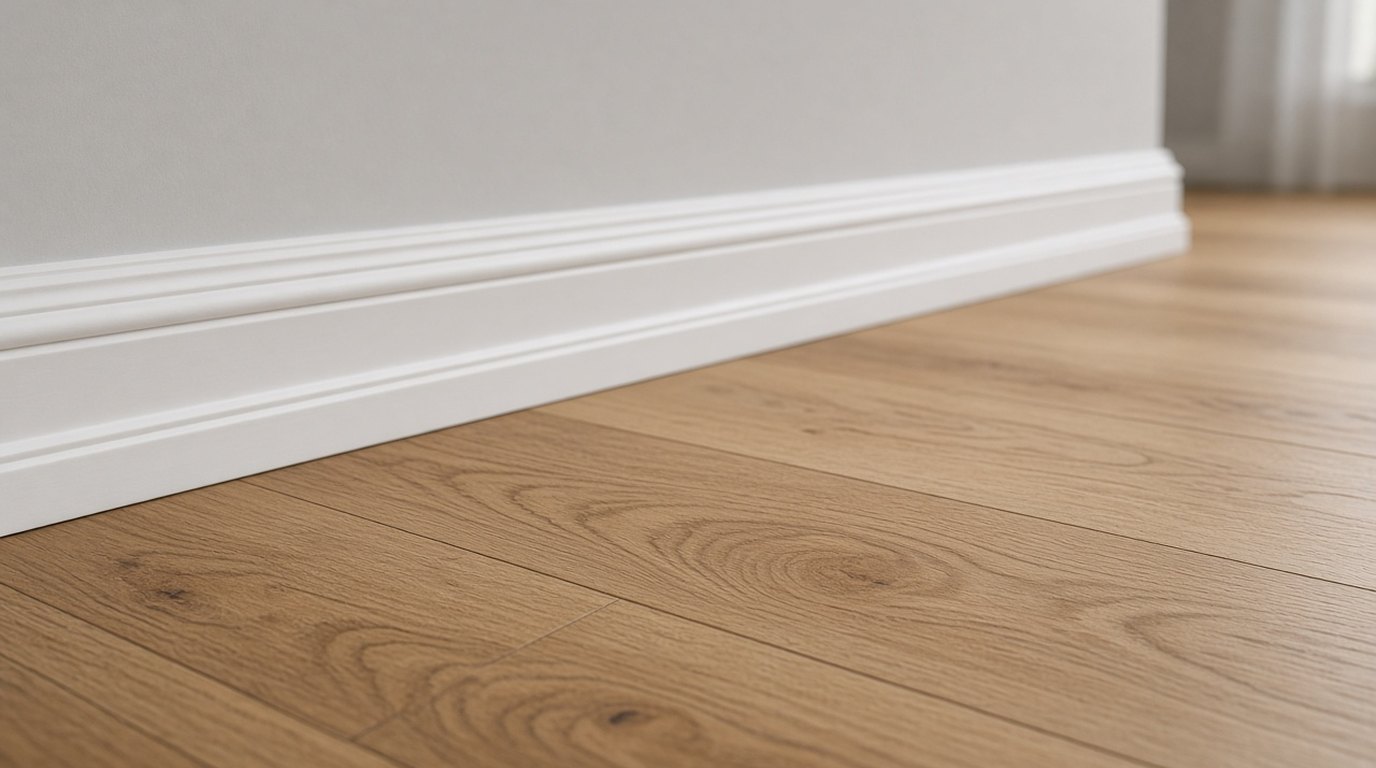
Flooring is one of the largest surfaces in your home and one of the most impactful design decisions you’ll make. It’s also one of the most environmentally significant, flooring materials vary enormously in their environmental footprint, from harvesting and manufacturing through installation, maintenance, and eventual disposal.
If you care about sustainability and you live on the Canadian prairies, your flooring choice needs to satisfy two masters: your environmental values and the brutal reality of Manitoba’s climate. Extreme temperature swings, long heating seasons, low indoor humidity in winter, high humidity in summer, and the constant assault of winter salt, sand, and moisture at entry points, these conditions eliminate options that work perfectly in milder climates.
For more on this topic, see our guide on Sustainable Interior Design: A Practical Guide for Canadian Homeowners.
This guide compares every major sustainable flooring option through the lens of prairie home performance. Not theory, practice. What actually works when it’s -35°C outside and your furnace has been running for three months straight.
For more on this topic, see our guide on Energy Efficient Home Upgrades in Manitoba, What Saves the Most Money.
What “Sustainable” Means in Flooring
Before comparing options, let’s define terms. A truly sustainable floor considers:
- Raw material sourcing. Is it renewable? Responsibly harvested? What’s the ecological impact of extraction?
- Manufacturing impact. Energy and water used in production. Chemical emissions. Transportation distance.
- Indoor air quality. Off-gassing of volatile organic compounds (VOCs) after installation.
- Durability and lifespan. A floor that lasts 50 years is more sustainable than one that lasts 10, regardless of material.
- Maintenance requirements. Does it need chemical treatments, frequent replacement, or energy-intensive care?
- End of life. Can it be recycled, composted, or must it go to landfill?
No flooring is perfectly sustainable. The goal is informed trade-offs.
Option 1: Solid Hardwood
Sustainability score: High (when sourced responsibly)
Solid hardwood is a natural, renewable material that, when sourced from FSC-certified (Forest Stewardship Council) forests, has a genuinely low environmental impact. Trees absorb carbon as they grow, and that carbon remains stored in your floor for its entire lifespan, which, for solid hardwood, can be 80 to 100+ years.
Prairie performance:
- The challenge: Solid hardwood is sensitive to humidity changes. Manitoba’s extreme seasonal humidity swing (60 to 70% in summer, 20 to 30% in winter) causes hardwood to expand in summer and contract in winter. This creates gaps between boards in winter that close again in spring. It’s not a defect, it’s the nature of the material.
- Species matter. White oak and maple are the most stable common species for prairie homes. Softer species (pine, birch) dent and scratch more easily. Exotic species (Brazilian cherry, teak) are beautiful but carry higher environmental costs in transportation and often in harvesting.
- Width matters. Wider boards show more seasonal movement. For prairie homes, boards under 5 inches wide experience less noticeable gapping.
- Finish matters. Oil-finished floors handle seasonal movement more gracefully than polyurethane-finished floors because the oil finish is flexible and can be spot-repaired. Polyurethane can crack at joint edges when boards move.
Cost: $8 to $15/sq ft installed. Lifespan: 50 to 100+ years (can be refinished multiple times). End of life: Fully biodegradable. Can be repurposed.
Best for: Main floor living areas in homes with stable humidity control (a whole-house humidifier running at 35 to 40% in winter minimises seasonal movement).
Option 2: Engineered Hardwood
Sustainability score: Medium-High
Engineered hardwood uses a thin layer of real hardwood (the wear layer) bonded to a plywood or HDF base. It uses significantly less hardwood per square foot than solid, and the cross-layered construction provides much better dimensional stability.
Prairie performance:
- Superior stability. Engineered hardwood handles Manitoba’s humidity swings far better than solid. The cross-ply construction resists expansion and contraction. Seasonal gapping is minimal with quality engineered products.
- Can go below grade. Engineered hardwood can be installed in basements (on a floating subfloor with vapour barrier), where solid hardwood cannot.
- Wear layer thickness determines refinishability. A 4mm+ wear layer can be sanded and refinished 2 to 3 times. Thinner wear layers (2mm) are essentially one-life products.
- Quality varies enormously. Premium engineered hardwood (from brands like Lauzon, Mirage, or Mercier, all Canadian manufacturers) performs beautifully. Budget engineered hardwood with thin wear layers and lower-quality cores performs poorly.
Cost: $6 to $14/sq ft installed. Lifespan: 25 to 50+ years depending on wear layer thickness. End of life: Difficult to recycle due to adhesive layers. Typically goes to landfill.
Sustainability consideration: Uses less virgin hardwood than solid, but the adhesives and composite layers complicate recyclability. Net environmental impact is similar to solid hardwood for quality products with thick wear layers.
Best for: The most versatile option for prairie homes. Works on every floor level and handles our climate well.
Option 3: Bamboo
Sustainability score: High (with caveats)
Bamboo is a grass, not a wood. It reaches maturity in 3 to 5 years versus 50 to 100+ years for hardwood trees, making it an exceptionally renewable resource. Strand-woven bamboo (compressed bamboo fibre) is harder than most hardwoods, scoring 3,000+ on the Janka hardness scale.
Prairie performance:
- Strand-woven bamboo is stable. The compression process creates a dense, dimensionally stable material that handles humidity changes reasonably well. Standard bamboo (horizontal or vertical cut) is less stable and more prone to moisture issues.
- Hardness is a real benefit. In a household with kids, dogs, and winter boots, strand-woven bamboo resists dents and scratches better than most hardwoods.
- Cold climate concern: Some bamboo flooring has been reported to develop minor cracking in very dry conditions (below 25% humidity), which is common in Manitoba homes in winter without a humidifier.
Cost: $5 to $10/sq ft installed. Lifespan: 25 to 50 years. End of life: Biodegradable, but adhesives in manufacturing may complicate composting.
Sustainability caveats: Most bamboo is grown and processed in China, so transportation carbon is significant for Canadian buyers. Verify that the product is certified (FSC or equivalent) and uses low-VOC adhesives.
Best for: Main floor living areas where hardness and scratch resistance matter. Pair with a humidifier for best winter performance.
Option 4: Cork
Sustainability score: Very High
Cork is harvested from the bark of cork oak trees without killing the tree. The bark regrows and can be reharvested every 9 to 12 years. It’s one of the most genuinely sustainable building materials available.
Prairie performance:
- Naturally warm underfoot. Cork has inherent thermal insulation properties, making it noticeably warmer to walk on than hardwood, tile, or vinyl, a significant comfort advantage in Manitoba winters.
- Soft and forgiving. Cork gives slightly underfoot, which is comfortable for standing (kitchens) and gentle on joints. Dropped dishes are more likely to survive on cork than on tile.
- Sound absorbing. Cork reduces impact noise, making it excellent for upper floors and basements where sound transmission is a concern.
- Moisture sensitivity. Cork is porous and can absorb moisture if the finish is compromised. Not recommended for bathrooms or mudroom entry areas without excellent sealing.
- Humidity performance. Cork handles seasonal humidity changes better than solid hardwood but worse than LVP. Floating cork installations with proper expansion gaps perform well in prairie conditions.
Cost: $6 to $12/sq ft installed. Lifespan: 25 to 40 years. End of life: Biodegradable. Cork is one of the few flooring materials that can be composted.
Best for: Bedrooms, home offices, and living rooms where warmth underfoot matters. Avoid in entry areas and bathrooms.
Option 5: Luxury Vinyl Plank (LVP)
Sustainability score: Low (improving)
Vinyl is a petroleum-based product. It’s not renewable, not biodegradable, and manufacturing involves PVC and plasticisers. However, it dominates the flooring market for practical reasons that are hard to ignore.
Prairie performance:
- Unmatched moisture tolerance. LVP is 100% waterproof. In Manitoba’s entry areas, bathrooms, kitchens, and basements, this matters enormously.
- Stable in all conditions. No expansion, no contraction, no gapping. Manitoba’s humidity swings don’t affect LVP.
- Comfortable underfoot. Softer and warmer than tile. Attached underlayment options add cushion and thermal barrier.
- Extremely durable. Quality LVP resists scratches, dents, and stains. Handles winter boots, salt, sand, and water without damage.
Cost: $3 to $7/sq ft installed. Lifespan: 15 to 25 years. End of life: Goes to landfill. Not recyclable in standard waste streams.
The honesty: LVP is the least sustainable option on this list. But it’s also the most practical for several applications in prairie homes. For basements, entryways, and bathrooms, the alternatives either can’t handle the moisture or cost three times as much.
The compromise approach: Use sustainable materials (hardwood, cork, bamboo) in main living areas where conditions are controlled, and LVP in the high-moisture, high-abuse areas (entry, basement, bathrooms) where its waterproof performance is genuinely needed.
Improving sustainability: Some manufacturers now offer partially recycled-content LVP, and recycling programs for end-of-life vinyl flooring are emerging (though not yet widely available in Manitoba).
Option 6: Porcelain and Ceramic Tile
Sustainability score: Medium
Tile is made from natural clay, fired at high temperatures. The raw material is abundant, but the energy required for firing is substantial.
Prairie performance:
- Indestructible. Tile handles everything Manitoba throws at it, moisture, salt, sand, temperature changes. It’s the most durable flooring option available.
- Cold underfoot. This is the major drawback. Tile on a concrete slab in a Manitoba winter is genuinely cold. In-floor radiant heating solves this completely but adds cost.
- Best for: Bathrooms, entryways, mudrooms, and kitchens where moisture and durability are paramount.
Cost: $6 to $15/sq ft installed. In-floor heating adds $8 to $15/sq ft. Lifespan: 50 to 75+ years. End of life: Inert. Doesn’t decompose but doesn’t leach chemicals. Can be crushed and used as fill material.
Best for: High-moisture, high-traffic areas. Pair with radiant heating for comfort.
Option 7: Linoleum (Not Vinyl)
Sustainability score: Very High
True linoleum (not vinyl, they’re different products) is made from linseed oil, wood flour, cork dust, pine resin, and jute backing. It’s one of the most eco-friendly flooring products in existence.
Prairie performance:
- Durable and long-lasting. Quality linoleum lasts 25 to 40 years. The colour goes all the way through, so scratches don’t show a different layer underneath.
- Naturally antimicrobial. The linseed oil in linoleum has inherent antimicrobial properties.
- Moderate moisture tolerance. Better than hardwood but not waterproof. Acceptable in kitchens with proper installation. Not recommended for bathrooms or basements.
- Cold climate note: Linoleum becomes slightly stiff in cold conditions. Acclimate it to room temperature before installation.
Cost: $5 to $10/sq ft installed. Lifespan: 25 to 40 years. End of life: Biodegradable. Can be composted or used as fuel in waste-to-energy facilities.
Best for: Kitchens, playrooms, and home offices. An excellent sustainable alternative to LVP in areas that don’t face extreme moisture.
The Prairie Home Flooring Plan
Here’s how I typically recommend combining these options for a sustainable, practical Manitoba home:
| Room | Recommended Option | Why |
|---|---|---|
| Living room / dining room | Engineered hardwood or solid hardwood | Warmth, beauty, sustainability |
| Bedrooms | Hardwood, cork, or carpet (wool) | Comfort, warmth, quiet |
| Kitchen | Engineered hardwood or linoleum | Durability with sustainability |
| Bathrooms | Porcelain tile with radiant heat | Moisture-proof, durable |
| Entry / mudroom | Porcelain tile or LVP | Handles salt, water, abuse |
| Basement | LVP or engineered hardwood on floating subfloor | Moisture tolerance essential |
| Home office | Cork or hardwood | Comfort for long hours |
Maintaining Your Floors Through Manitoba Winters
Regardless of material, prairie winters demand specific floor care:
- Entry mats are essential. Scraper mat outside the door, absorbent mat inside. Change or clean the indoor mat frequently, it collects enormous amounts of salt and grit.
- Remove salt quickly. Road salt damages hardwood, cork, and even some tile grouts. Wipe up salt residue promptly with a damp mop.
- Control humidity. Run a humidifier at 35 to 40% through winter. This protects hardwood and cork from excessive drying and improves your own comfort.
- Use felt pads on all furniture legs. Sand tracked in on boots acts like sandpaper under chair legs.
- Clean regularly. Dirt and grit grind into floor finishes. Sweep or vacuum high-traffic areas every few days in winter.
The Real Cost of “Cheap” Flooring
The cheapest flooring upfront is almost never the cheapest flooring over time. A $3/sq ft LVP that lasts 15 years costs $0.20/sq ft per year. A $10/sq ft engineered hardwood that lasts 40 years costs $0.25/sq ft per year. A $12/sq ft solid hardwood that lasts 75 years costs $0.16/sq ft per year.
When you factor in the environmental cost of manufacturing and disposing of flooring that needs replacing every 15 years versus flooring that lasts a lifetime, the sustainable choice and the economical choice often turn out to be the same thing.
Choosing flooring for your renovation? Georgia Home Design offers virtual consultations, I’ll help you pick materials that work for your home, your climate, and your values. Book a consultation →