7 Interior Design Trends Dominating Homes in 2026
From warm minimalism to biophilic design, discover the interior design trends shaping homes worldwide in 2026. A designer's perspective on what's in, what's out, and what's here to stay.
Georgia Home Design
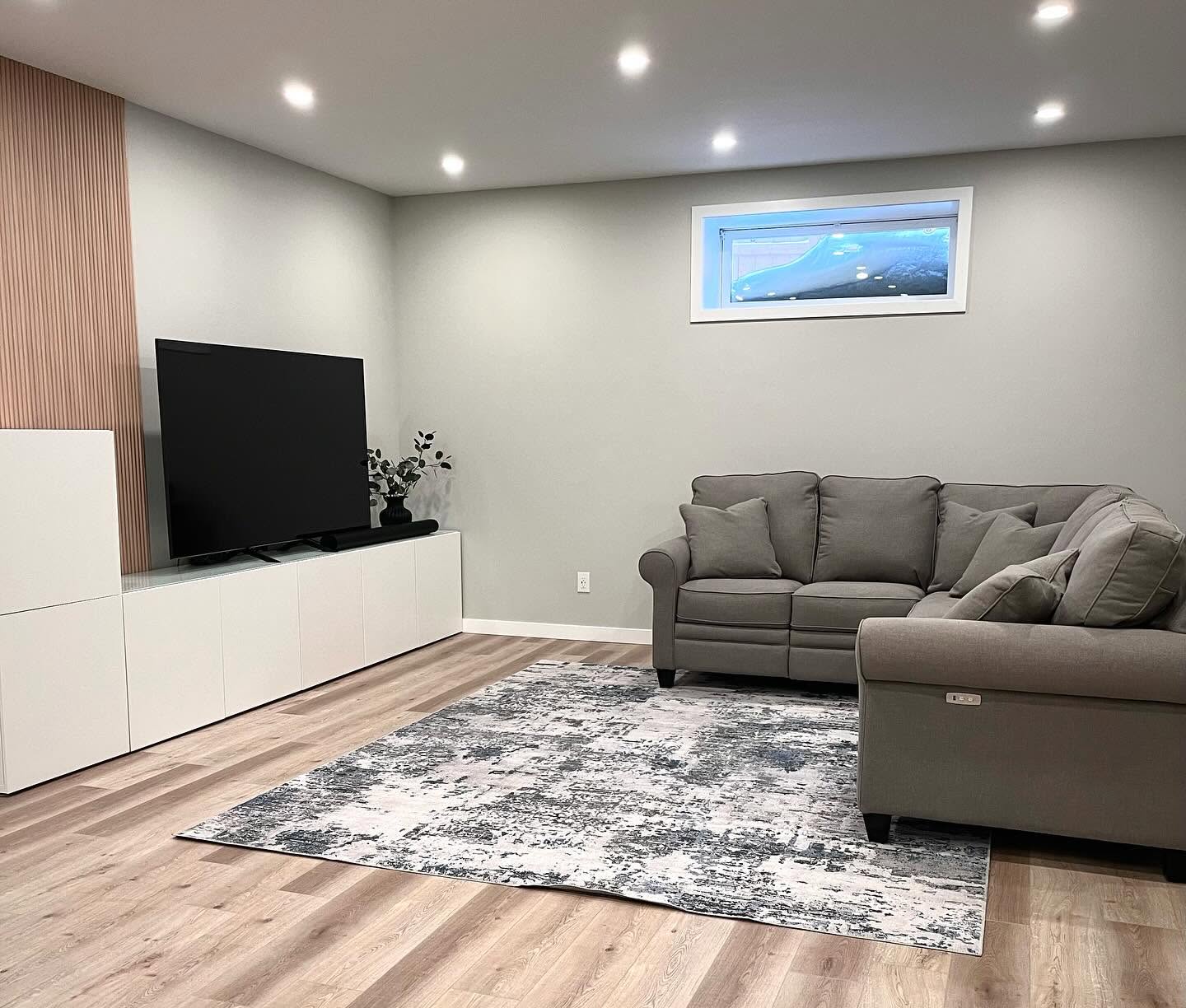
Design trends come and go, but the best ones reflect how we actually want to live. In 2026, the dominant themes are warmth, texture, intention, and nature, a clear response to years of sterile minimalism and screen-heavy living.
Whether you’re planning a full renovation or just refreshing a room, these are the trends worth paying attention to this year.
For more on this topic, see our guide on Bathroom Renovation Trends for 2026, What Canadian Homeowners Are Choosing.
1. Warm Minimalism
The cold, all-white minimalism of the 2010s is officially over. In its place: warm minimalism, spaces that are still clean and uncluttered, but feel genuinely inviting.
For more on this topic, see our guide on Biophilic Design for Cold Climate Homes, Bringing Nature Inside When Winter Won’t End.
What it looks like:
- Cream, camel, and warm beige replacing stark white
- Natural wood furniture with visible grain
- Soft, rounded silhouettes instead of sharp edges
- Textured fabrics (boucle, linen, wool) replacing smooth surfaces
- Fewer items, but each one intentional and beautiful
How to try it: Start with your colour palette. Swap cool grays for warm taupes and creams. Replace one piece of glossy furniture with something in natural wood or stone. Add a textured throw or cushion. The goal is “edited, not empty.”
2. Biophilic Design, Bringing Nature Inside
Biophilic design goes beyond putting a monstera in the corner. It’s about fundamentally integrating natural elements into your living spaces to improve well-being, reduce stress, and create homes that feel alive.
Key elements:
- Living walls and abundant plants, grouped in clusters, not scattered randomly
- Natural materials everywhere, stone countertops, wood panelling, rattan lighting, clay pottery
- Maximising natural light, larger windows, sheer curtains, mirrors placed to reflect daylight
- Water features, small tabletop fountains are making a surprising comeback
- Nature-inspired colour palettes, sage green, terracotta, sky blue, stone grey
Why it matters: Research consistently shows that exposure to nature reduces cortisol levels, improves focus, and boosts mood. When you can’t go outside, bring the outside in.
3. Curved & Organic Shapes
Sharp angles and boxy furniture are giving way to softer, more organic forms. Arched doorways, rounded sofas, oval dining tables, and sculptural curves are everywhere in 2026.
Where you’ll see it:
- Arched mirrors and bookshelves
- Rounded sofas and kidney-shaped coffee tables
- Curved kitchen islands
- Fluted and ribbed surfaces on cabinets and vanities
- Organic-shaped lighting fixtures
Why it works: Curved shapes create visual flow. Your eye moves smoothly around the room instead of stopping at corners. The result is a space that feels more relaxed, more welcoming, and more human.
4. Layered Lighting
The single overhead light is dead. In 2026, designers approach lighting the way chefs approach seasoning, in layers, from multiple sources, at different heights.
The three layers:
- Ambient, overall room illumination (ceiling fixtures, recessed lights)
- Task, focused light where you need it (desk lamps, under-cabinet kitchen lights)
- Accent, mood and atmosphere (table lamps, candles, LED strips, picture lights)
2026 specifics:
- Warm bulb temperatures (2700K) are standard, no more harsh white light in living spaces
- Statement chandeliers are back, but in organic materials (woven, wood, ceramic)
- Smart lighting that adjusts colour temperature throughout the day
- Floor lamps as design objects, not afterthoughts
A Winnipeg tip: With our extreme seasonal light variation (16 hours of summer daylight vs. 8 hours in December), layered lighting isn’t just aesthetic, it’s essential for your mental health.
5. Curated Maximalism
Minimalism taught us to edit. Now we’re ready to express. Curated maximalism is about intentional abundance, rich patterns, collected objects, bold colour moments, all tied together by a clear design logic.
The difference between maximalism and clutter:
- Maximalism has a colour story; clutter has random colours
- Maximalism layers patterns with intention (usually in the same palette); clutter layers randomly
- Maximalism curates; clutter accumulates
How to try it:
- Pick a colour palette (3-5 colours) and stick to it
- Gallery walls with a mix of art styles but unified framing
- Layer rugs over rugs in complementary patterns
- Display collected objects in deliberate groupings (the rule of threes works well)
- Mix vintage finds with modern pieces
6. Smart Home Integration (Done Subtly)
Technology in the home is no longer about flashy panels and visible devices. In 2026, the best smart homes are the ones where the tech is invisible, woven smoothly into the architecture and controlled by voice, motion, or routine.
Trending integrations:
- Hidden speakers built into ceilings or walls
- Motorised blinds that adjust with the sun
- Smart thermostats that learn your schedule
- Lighting scenes triggered by time of day
- Wireless charging built into furniture surfaces
The design principle: Technology should enhance your experience of a space without announcing itself. If a visitor notices the tech before they notice the design, you’ve done too much.
7. Sustainable & Locally Sourced Materials
Sustainability in interior design isn’t new, but in 2026 it’s moved from “nice-to-have” to “expected.” Clients, especially younger homeowners, are asking where materials come from, how they’re made, and how long they’ll last.
What this looks like in practice:
- Reclaimed wood for feature walls, shelving, and furniture
- Natural stone instead of synthetic alternatives
- Low-VOC and zero-VOC paints (better air quality, better for the planet)
- Locally made furniture, supporting regional artisans and reducing shipping emissions
- Vintage and secondhand pieces improved through curation and styling
- Durable choices, investing in quality pieces that last 20 years instead of trendy items that last 2
In Manitoba: We’re fortunate to have a growing community of local woodworkers, furniture makers, and artisans. Incorporating their work isn’t just sustainable, it gives your home a story that no mass-produced piece can match.
The Pattern Behind the Trends
If there’s a common thread running through all of these, it’s this: people want homes that feel human. After years of Instagram-perfect minimalism and pandemic isolation, we’re craving warmth, texture, personality, and connection to nature.
The best approach? Don’t chase every trend. Pick the ones that resonate with your lifestyle and your home. A warm minimalist bedroom with layered lighting. A biophilic living room with curved furniture. A kitchen with sustainably sourced materials and smart integration.
Design your home for how you actually live, that’s the trend that never goes out of style.
Want help bringing these trends into your space? Georgia Home Design offers virtual consultations worldwide and in-person design services in Winnipeg. Book a free consultation →