How to Plan for Winnipeg Home Staging Costs: Specific Benefits
A comprehensive guide on planning for Winnipeg home staging costs, comparing physical vs virtual staging prices and ROI in 2026.
Georgia
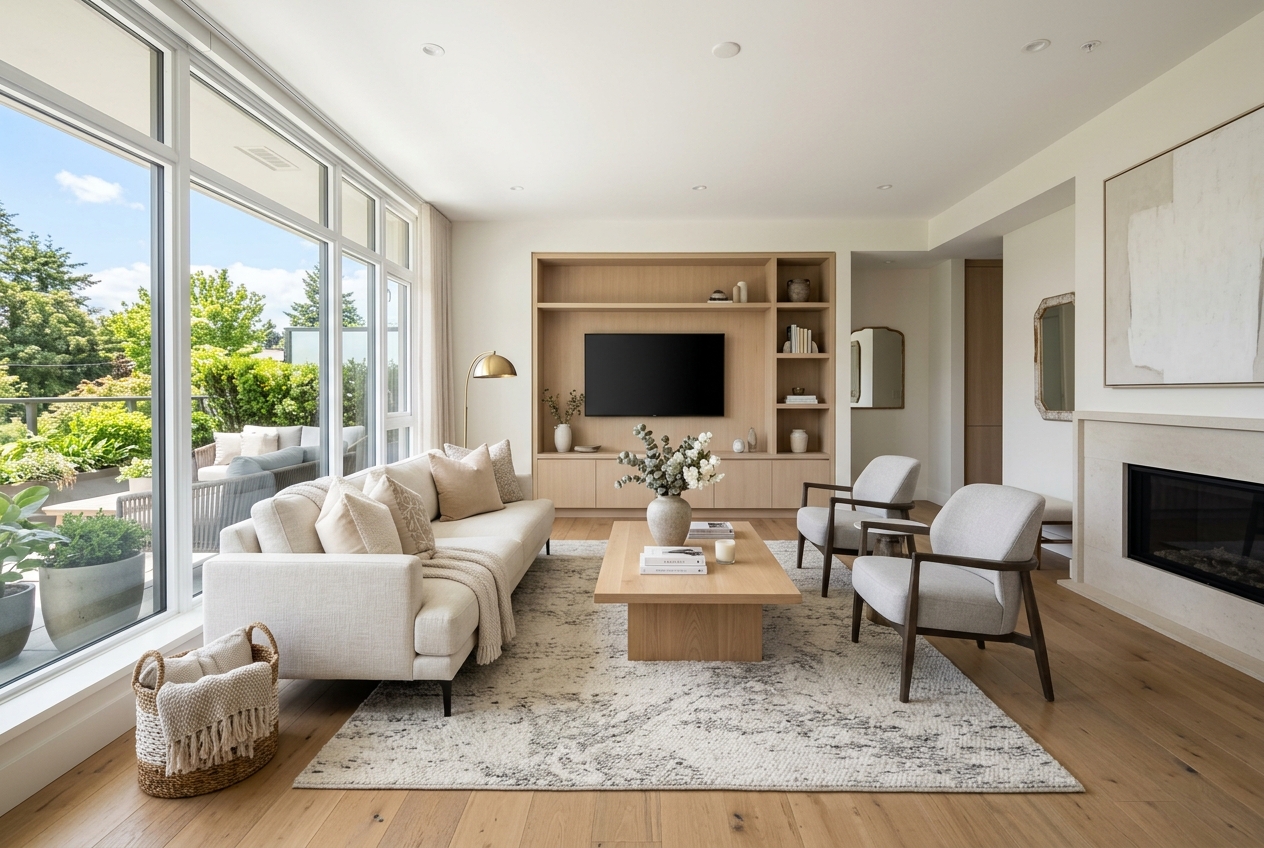
Planning for Winnipeg home staging costs in 2026 requires budgeting $150 to $300 for a consultation, $40 to $80 per photo for virtual staging, or $1,500 to $3,500 for physical staging. Focus on staging key rooms first, and subtract DIY preparation expenses from your overall marketing budget.
Executive Summary
- Budgeting Categories: Winnipeg home sellers should allocate costs between professional consultations, virtual staging, or physical furniture rentals based on listing value.
- High-Impact Rooms: Prioritizing the living room, kitchen, and primary bedroom yields the greatest return on investment (ROI).
- Virtual vs. Traditional: Digital virtual staging options cut staging costs by up to 90% while still attracting online interest.
- Market Performance: Staged properties in Winnipeg frequently sell faster and secure higher closing offers in competitive local neighborhoods.
- Planning Window: Starting the process four weeks before listing allows sufficient time for decluttering, repairs, and design setup.
Why is planning your Winnipeg home staging budget early essential?
Planning your budget early is essential because the Winnipeg housing market is highly seasonal and competitive. During the peak spring and summer selling periods, hundreds of properties compete for buyers’ attention. Since most buyers start their search online on portals like Realtor.ca, your listing must stand out immediately in photographs. Without high-quality images, buyers will scroll past your home for others.
Preparing your budget weeks before listing gives you time to choose the right services. It helps you avoid rushing and overspending on last-minute furniture rentals or emergency contractor repairs. Early planning also allows you to complete basic DIY projects yourself, such as decluttering and touch-up painting. This keeps your professional staging costs lower because the stagers do not have to work around unresolved property issues. By establishing a clear budget early, you can balance your marketing expenses against your expected home sales price and make informed financial decisions.
What are the typical physical staging costs in Winnipeg in 2026?
For a physical home staging setup, Winnipeg homeowners typically pay a few distinct fees. First, a professional consultation costs between $150 and $300. During this walk-through, a stager evaluates your layout, color scheme, and lighting, and then provides a checklist.
If you choose full physical staging, the design and setup fee ranges from $500 to $1,000. This covers the stager’s time, planning, furniture selection, and installation. Additionally, the monthly furniture rental fee averages $1,000 to $2,500 depending on the size of the home and the number of rooms staged. Most staging companies require a minimum 30-day rental contract. Total costs for physical staging usually range from $1,500 to $3,500. Winnipeg home staging costs show that prices remain stable, though high-end neighborhoods like Linden Woods, River Heights, or Tuxedo might see higher rates due to larger home sizes and the need for premium furniture lines.
How do virtual staging costs compare to physical staging in Manitoba?
Virtual staging is a highly cost-effective alternative to physical staging. Instead of renting physical furniture, a graphic designer digitally adds realistic 3D furniture, rugs, artwork, and decor to high-resolution photos of empty or outdated rooms.
In Winnipeg, virtual staging costs between $40 and $80 per photo. Staging a standard home with six digital photos costs around $240 to $480. This is a massive saving compared to the thousands spent on physical staging. Virtual staging is excellent for online listings because it captures attention on search portals. However, it does not change the physical experience of a walk-through. For empty or outdated properties, sellers must decide if they need the physical presence of furniture during open houses to make the property feel inviting. Our virtual vs traditional staging guide provides a detailed breakdown of how to choose between these two approaches based on your target market.
Which rooms should you prioritize to maximize your staging return?
You do not need to stage every room in your house to get a high return. Focus on the rooms that have the biggest impact on buyers’ buying decisions and emotions.
The living room is the most important space to stage. It is usually the first room buyers see and where they imagine spending time with family. Next, prioritize the kitchen. Clean, clear countertops, simple styling, and strategic decor items make the kitchen look larger and more functional. Finally, stage the primary bedroom. This room should feel like a relaxing, luxurious retreat, which you can achieve using neutral bedding, simple nightstands, and soft lighting. Staging these three core areas covers the most critical spaces that buyers evaluate, helping you save money while capturing most of the staging benefit. You can read more about setting up these specific rooms in our Winnipeg home staging guide.
What hidden fees should you expect when hiring a Winnipeg stager?
When planning your budget, look out for fees that might not be highlighted in the initial quote. Staging companies must transport and set up heavy furniture, which often incurs additional logistical costs.
Common hidden fees include delivery and removal charges, which can add $200 to $500 to your bill. Some companies also charge extra for damage insurance to cover potential issues with their rental furniture. If your home stays on the market longer than expected, you will need to pay monthly or weekly extension fees. Ask your stager about these extension rates before signing the contract. Additionally, if you ask the stager to move your existing personal furniture to another room or a storage locker, they might charge an extra labor fee. Clarifying these details early protects you from unexpected expenses and helps you budget accurately.
How does home staging affect the final sale price and days on market?
Staging is a proven marketing strategy that directly impacts your selling results. Staged homes in Winnipeg tend to sell much faster than unstaged homes, saving you money on monthly mortgage payments, property taxes, and utilities.
A staged property looks spacious and well-maintained in photos, which drives more traffic to open houses. When buyers walk through a beautifully styled home, they form an emotional connection. This connection makes them feel more comfortable submitting higher, competitive bids. In 2026, staged homes in Manitoba often sell for 3% to 5% more than unstaged properties. For a home priced at $450,000, that translates to an extra $13,500 to $22,500. This increase easily covers the initial cost of the staging service, giving you a strong return on your investment.
Can you combine DIY prep with professional staging to save money?
A hybrid staging approach is an excellent way to save money on your listing. You can handle the preparation work yourself and leave the design styling to the professionals.
Start by decluttering every room and packing away personal items. Deep clean all surfaces, windows, and carpets. You can also paint walls in neutral colors to make spaces feel brighter and larger. If you need heavy-duty storage boxes or organizer bins to hide clutter, you can grab them on Amazon using this heavy-duty storage bin set to keep your closets neat. By doing these tasks yourself, you reduce the hours the professional stager needs to spend preparing the home. They can focus solely on bringing in key furniture pieces and accessories, which keeps your overall bill lower while maintaining a professional look.
How do seasonal real estate shifts in Winnipeg impact staging decisions?
Winnipeg has distinct seasons that affect how you should stage your home. Staging choices that work in the summer might not be effective during the cold winter months when buyers are looking for warmth.
During winter, you want to make the home feel cozy and warm. Use soft lighting, thick throw blankets, and warm color accents to welcome buyers coming in from the cold. Make sure walkways and driveways are completely shoveled and clear of ice. In the summer, focus on bright, open spaces. Use light fabrics, open the window blinds to let in natural light, and emphasize outdoor living spaces like decks or patios. Booking a stager during the busy spring and summer seasons requires advance planning, as local companies book up quickly and staging inventories run low.
What questions should you ask a local staging company before hiring them?
Before you hire a staging company in Winnipeg, ask several key questions to ensure they are the right fit for your property and budget.
First, ask to see their portfolio of recently staged homes in Winnipeg. This gives you an idea of their design style, quality, and versatility. Second, ask for a complete breakdown of all costs, including delivery, setup, removal, and extension fees. Third, ask if they carry liability insurance and what happens if their furniture is damaged by viewers. Fourth, find out how long the setup and teardown process takes. Finally, ask if they have experience working with homes in your specific neighborhood. Choosing an experienced, insured stager who understands local buyer preferences ensures a smooth process and a successful sale.
Frequently Asked Questions
Is home staging worth the cost for a lower-priced Winnipeg home?
Yes, home staging is valuable for properties at any price point. For lower-priced homes, you can focus on affordable options like a professional DIY consultation or virtual staging. These steps ensure your home looks clean and attractive online, which helps generate more viewings and potential offers.
Can I use my own furniture for professional staging?
Yes, this is called occupied staging. A professional stager will work with your existing furniture to optimize the layout and make rooms feel larger. They may recommend packing away extra pieces and adding rented accessories like rugs, pillows, and lamps to update the look.
How far in advance should I book a Winnipeg home stager?
You should book a stager three to four weeks before your property goes on the market. This timing gives you enough time to complete an initial consultation, handle any recommended DIY prep work, and allow the stager to reserve the right furniture inventory.
What is the difference between staging and interior design?
Interior design is focused on personalizing a home to suit the specific tastes and functional needs of the homeowner. Home staging is the opposite. It neutralizes the space and highlights its best features so that a wide range of potential buyers can visualize themselves living there.
Will virtual staging look fake to buyers touring the home?
High-quality virtual staging in 2026 uses realistic 3D models that match the scale of the rooms. To ensure transparency, always disclose in your listing that the photos are virtually staged, and consider placing printed copies of the staged photos in each empty room during showings.
Actionable Conclusion
Planning for Winnipeg home staging costs does not have to be stressful. Follow these steps to maximize your investment:
- Get a Consultation First: Book a walk-through consultation four weeks before listing to identify high-priority prep work.
- Declutter and Clean: Complete all decluttering and deep cleaning tasks yourself to save on labor costs.
- Select Your Staging Method: Choose physical staging for high-end listings or empty homes, or opt for virtual staging to save money on mid-range properties.
- Focus on Core Rooms: Prioritize the living room, kitchen, and primary bedroom to get the best visual impact.
- Review the Contract Details: Confirm all delivery, setup, and extension fees before signing with a stager to keep your budget on track.