How to Stage Your Home Like a Professional, A Step-by-Step DIY Guide
Stage your home yourself with this room-by-room guide from a professional stager. Practical tips, a printable checklist, and the mistakes to avoid when DIY staging your home for sale.
Georgia Home Design
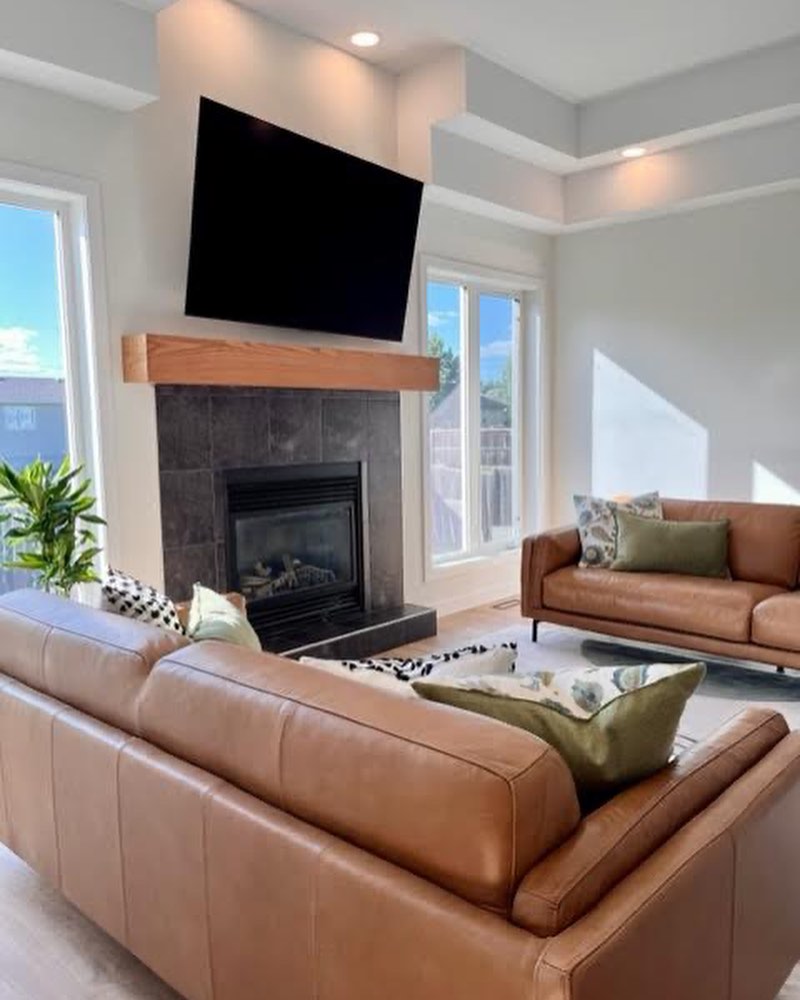
Not every seller needs to hire a professional stager. If your home is in good condition and you’re willing to put in the effort, DIY staging can dramatically improve how your property shows, without the professional price tag.
This guide walks you through the exact process I follow when staging a home, adapted for homeowners doing it themselves. Unique angle here: a room-by-room DIY checklist you can execute without hiring a stager. The fuller Canada-wide, season-by-season version is how to stage your home for sale.
For more on this topic, see our guide on Curb Appeal in Winter, How to Make Your Home Look Great Under Snow.
Before You Start: The Staging Mindset
For more on this topic, see our guide on How Much Does Home Staging Cost? A Complete Breakdown with ROI Data.
The most important shift in DIY staging is this: you’re no longer decorating your home for you. You’re preparing a product for buyers.
This means:
- Your personal taste doesn’t matter right now
- Family photos come down
- Bold colour choices get neutralised
- Furniture that’s “perfectly fine for living” might not photograph well
- Every room needs a clear purpose
It’s not about erasing your life, it’s about creating a blank canvas where buyers can project theirs.
Step 1: Deep Clean (The Foundation)
Before you style anything, clean like you’ve never cleaned before. Buyers equate cleanliness with maintenance; if the surfaces sparkle, buyers assume the hidden infrastructure (plumbing, electrical, roof) is equally well-maintained.
The deep clean checklist:
- Windows inside and out (natural light is your best staging tool)
- All light fixtures and ceiling fans (dust dulls light output)
- Baseboards and door frames
- Grout lines in kitchen and bathroom
- Oven, dishwasher interior, and refrigerator
- Inside all closets and cabinets (buyers will open them)
- Carpets professionally cleaned or shampooed
- Hardwood floors cleaned and polished
- Garage floors swept and degreased
Pro tip: Hire a professional cleaning crew for the initial deep clean ($200 to $400). Then maintain it yourself for showings.
Step 2: Declutter Aggressively
Most homeowners underestimate how much stuff they need to remove. As a general rule: remove 30 to 50% of your belongings. Yes, really.
What to remove:
- Family photographs and personal collections
- Refrigerator magnets and children’s artwork
- Excess books (leave a curated few)
- Extra furniture pieces (if two chairs work, remove the third)
- Countertop appliances (keep 2 to 3 maximum)
- Bathroom products (reduce to essentials)
- Excess throw pillows and blankets
- Collections (figurines, memorabilia, sports gear)
- Outdated or worn items (replace or remove)
Where does it all go?
- Donate: Charitable giving before selling lightens your emotional load too
- Storage unit: A temporary unit ($50 to $150/month) is an investment in your sale price
- Pack early: You’re moving anyway, start boxing up off-season items now
Step 3: Depersonalise
Buyers need to see themselves in your home, not you. Every personal item is a reminder that someone else lives here.
Remove:
- Family photos (replace with neutral artwork or mirrors)
- Religious or political items
- Trophies, diplomas, and awards
- Pet bowls, beds, and toys (during showings)
- Children’s room themes (if very niche, Spider-Man themed walls get paint)
- Unique hobby collections
Keep:
- Neutral artwork (fields, abstracts, botanical prints)
- Books
- A few tasteful accessories (vases, candles, bowls)
- Fresh flowers or plants
Step 4: Neutralise Colours
You may love your teal accent wall, but bold colour choices polarise buyers. The safest staging palette is warm neutrals:
- Walls: Warm white, soft cream, light greige (gray-beige), warm beige
- Accents: Sage green, muted terracotta, navy, camel
- Avoid: Bright reds, deep purples, neon anything, stark cold white
If your walls are a strong colour, consider painting the main living areas. A gallon of paint costs $40 to $60. The ROI of neutral paint before selling is one of the highest in home preparation.
Step 5: Stage Room by Room
Living Room (Most Important)
This is the room buyers see first and remember longest.
- Arrange furniture for conversation, not TV watching. Pull furniture away from walls and create an intimate seating group.
- Add a focal point. If there’s no fireplace, create one with a statement piece of art, a large mirror, or an arrangement on the main wall.
- Layer textures. A throw on the sofa, a textured cushion, a woven basket, these add warmth and depth.
- Add lighting. Minimum 3 light sources: overhead + table lamp + floor lamp. Use warm bulbs (2700K).
- Clear surfaces. Coffee table: one book, one candle, one small plant. End table: one lamp.
Kitchen (Most Scrutinised)
Buyers judge kitchens harder than any other room.
- Clear 90% of the counter. Leave only: a cookbook, a plant, and one decorative item (cutting board, fruit bowl).
- Organise inside. Buyers open cabinets. Reorganise with items neatly stacked, labels facing forward.
- Update hardware. New cabinet pulls ($2 to $5 each) modernise dated kitchens instantly.
- Add a fresh herb plant or bowl of lemons. It photographs beautifully and adds life.
- Hide the dish rack, toaster, and knife block.
Primary Bedroom (Emotional Decision Room)
This is where buyers imagine relaxing. Make it a retreat.
- Invest in new bedding. Crisp white duvet, white sheets, 2 to 4 pillows in neutral tones. Budget: $100 to $200 at IKEA or Homesense.
- Create symmetry. Matching nightstands (or at least matching lamps) on each side.
- Remove the TV. Buyers want to see a sleep sanctuary, not a media room.
- Add a cosy element. A folded throw at the foot of the bed, a candle on the nightstand.
- Keep the dresser clear. Remove everything except 1 to 2 decorative items.
Bathroom
- Replace old towels with fluffy white ones. Roll them or stack them neatly.
- Clear the shower of all products. Leave one set of matching bottles if needed.
- Re-caulk if the existing caulk is stained or peeling. This is a $10 fix that removes the biggest red flag.
- Add a small plant (pothos or eucalyptus sprig) and a candle.
- Close the toilet lid for every showing.
Spare Bedroom / Office
Define the purpose. An ambiguous room confuses buyers.
- Choose one identity: Guest room, home office, or nursery. Stage it accordingly.
- Home office: A desk, a chair, a lamp, and a plant. Clean and minimal.
- Guest room: A bed with crisp bedding, nightstand, lamp. Simple and welcoming.
Entryway
First physical impression, make it count.
- Clear shoes, coats, and bags. Leave one decorative item (a small bench, a mirror, a plant).
- Add a fresh doormat.
- Make sure the light works and is bright.
Step 6: Maximise Light
Light makes rooms feel bigger, cleaner, and more inviting. This is especially important in winter markets.
- Open every blind, curtain, and shade for showings
- Clean all windows
- Replace dim bulbs with brighter, warm-toned LEDs
- Add lamps to dark corners
- Use mirrors to reflect natural light into dim areas
- Remove heavy, dark curtains (replace with sheer panels if needed)
Step 7: Curb Appeal
Online listings start with the exterior. Don’t forget the outside.
- Pressure wash the walkway, driveway, and siding
- Mow and edge the lawn (or shovel and salt the walk in winter)
- Plant seasonal colour in planters by the front door
- Paint the front door. A fresh coat in a welcoming colour (charcoal, navy, or sage) transforms the entire facade.
- Update house numbers if they’re dated
- Clean or replace the mailbox
Step 8: Pre-Showing Routine
Create a 15-minute routine before every showing:
- Open all blinds and turn on all lights
- Fluff pillows, straighten bedding
- Clear all counters and surfaces
- Put away personal items, dishes, and shoes
- Take out trash and recycling
- Add fresh flowers (even inexpensive grocery store bouquets work)
- Lightly scent with a clean, neutral odour (fresh laundry or vanilla, never air freshener)
- Set the thermostat to 21°C (comfortable and energy-efficient)
- Remove pets and pet items
- Leave the house (buyers are more comfortable without the seller present)
Common DIY Staging Mistakes
- Over-staging: More is not better. If you’ve added it for the sake of it, it’s probably too much.
- Ignoring odours: You can’t smell your own home. Ask a friend to be honest. Pet odours, cooking smells, and musty basements are deal-breakers.
- Leaving one room “as is”: Buyers judge the whole house. One messy, personal room breaks the spell.
- Poor photography: Even great staging fails with bad photos. Invest in a real estate photographer ($150 to $300), don’t use your phone.
- Forgetting the exterior: You can’t stage your way out of a terrible first impression at the curb.
When to Call a Pro
DIY staging works beautifully for many sellers, but consider professional help if:
- You’ve been on the market 30+ days without offers
- You’re too emotionally attached to edit objectively
- The property has challenging features you’re unsure how to handle
- You want maximum ROI on a higher-value property
Even a one-time professional staging consultation can dramatically improve your DIY results.
Need a professional eye on your staging plan? Georgia Home Design offers virtual consultations worldwide, I’ll review your space via video call and give you a prioritised action plan. Book a consultation →