How to Choose a Color Palette for Your Home, A Designer's Complete Guide
Take the guesswork out of choosing paint colours and decor. This designer-approved guide covers colour theory, mood mapping, trending palettes, and room-by-room advice.
Georgia
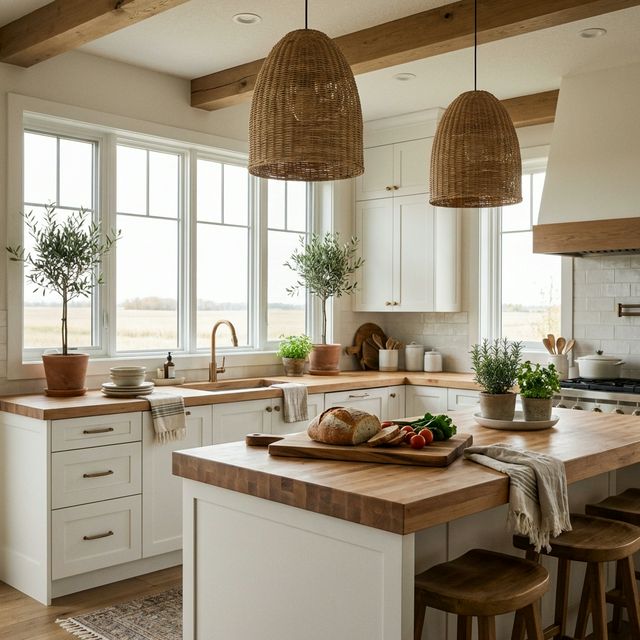
Choosing colours for your home is one of the most impactful design decisions you’ll make, and one of the most anxiety-inducing. Paint is relatively cheap, but the commitment feels huge. What if you hate it? What if it clashes? What if it’s too bold? Too safe?
Take a breath. Colour selection becomes much easier once you understand a few principles. This guide will give you the framework to choose confidently, whether you’re painting a single room or designing an entire home.
For more on this topic, see our guide on Home Lighting Design: How to Light Every Room Like a Designer.
Start with Colour Theory (The Short Version)
You don’t need an art degree, but understanding three concepts will transform your choices:
The Colour Wheel
Colours are organised in a wheel with three categories:
- Primary: Red, blue, yellow
- Secondary: Green, orange, purple (made by mixing primaries)
- Tertiary: Blue-green, red-orange, etc. (mixing primary + secondary)
Colour Relationships
Three proven approaches for combining colours:
-
Monochromatic, Different shades of one colour. Example: light sage walls, medium sage pillows, dark green accents. Sophisticated and easy to execute.
-
Analogous, Colours next to each other on the wheel. Example: blue, blue-green, green. Creates a natural, harmonious feel.
For more on this topic, see our guide on Winter-Proof Interior Design, How to Make Your Home Feel Warm When It’s -30 Outside.
- Complementary, Colours opposite each other. Example: blue and orange, green and red. Creates energy and contrast. Use carefully, one dominant, one accent.
Warm vs. Cool
- Warm colours (reds, oranges, yellows, warm neutrals) create energy, cosiness, and intimacy
- Cool colours (blues, greens, purples, cool grays) create calm, spaciousness, and serenity
- Neutral colours (beige, gray, cream, white, black) provide balance and flexibility
In 2026, the design world is firmly in its warm era, warm whites, creamy neutrals, terracotta, and sage are dominating over the cool grays and stark whites of the past decade.
The 60-30-10 Rule
This is the single most useful rule for building a colour palette:
- 60%, Dominant colour (walls, large furniture, area rugs)
- 30%, Secondary colour (upholstery, curtains, accent furniture)
- 10%, Accent colour (throw pillows, artwork, decorative objects)
Example palette:
- 60%, Warm white walls + light oak floors
- 30%, Sage green sofa + linen curtains
- 10%, Terracotta cushions + copper lamp + pottery
This ratio ensures visual harmony. The dominant colour creates a cohesive backdrop, the secondary adds interest, and the accent provides personality without overwhelming.
Start with What You Already Have
Don’t start with paint chips. Start by looking at what you already own and love.
Find your “anchor” piece:
- A rug with colours you love
- A painting or photograph
- A favourite throw pillow or blanket
- An heirloom piece of furniture
- Even a beloved item of clothing
Pull 3-5 colours from that anchor piece. These become your palette foundation. This approach guarantees cohesion because the colours have already been proven to work together.
Mood Mapping: Choose Based on Feeling
Instead of choosing colours you “like,” choose colours that create the feeling you want.
| Desired Feeling | Colour Direction | Examples |
|---|---|---|
| Calm & restful | Cool neutrals, soft blues, sage | Bedroom, bathroom, reading nook |
| Warm & cosy | Warm whites, camel, terracotta | Living room, family room |
| Energised & social | Warm yellows, coral, warm greens | Kitchen, dining room, entryway |
| Sophisticated & dramatic | Deep navy, charcoal, forest green | Dining room, library, accent wall |
| Airy & spacious | Light neutrals, white, pale blue | Small rooms, open-plan spaces |
| Grounded & organic | Earth tones, warm browns, olive | Whole-home palette, den |
Map each room to the feeling you want in that space. Not every room needs to feel the same, your bedroom should feel different from your kitchen.
The Whole-Home Flow
Your home should feel cohesive as you move from room to room. This doesn’t mean every room is the same colour, it means the colours are part of a unified family.
How to create flow:
- Choose a base neutral that runs through the entire home (trim colour, hallways, ceiling)
- Vary the wall colours room to room but keep them within the same temperature family (all warm, or all cool)
- Repeat accent colours, if sage appears in your living room pillows, echo it in the kitchen hardware or bathroom tiles
- Maintain consistent undertones. If your trim is warm white, don’t pair it with a cool gray wall, the undertone clash creates visual tension
Trending Palettes for 2026
1. Warm Earth
- Warm white + camel + terracotta + olive + cream
- Feels: grounded, natural, sophisticated
- Best for: open-plan living spaces, Prairie homes
2. Coastal Calm
- Soft white + pale blue + sandy beige + driftwood gray
- Feels: airy, serene, spacious
- Best for: bedrooms, bathrooms, smaller homes
3. Modern Organic
- Mushroom + sage + warm charcoal + linen + brass accents
- Feels: contemporary, earthy, refined
- Best for: modern homes, condos, minimalist spaces
4. Bold Heritage
- Cream + forest green + burgundy + gold + dark wood
- Feels: rich, collected, character-filled
- Best for: character homes, dining rooms, libraries
5. Nordic Warmth
- Off-white + light oak + dusty rose + soft gray + black accents
- Feels: clean, warm, Scandinavian-inspired
- Best for: minimalist spaces, new builds
Room-by-Room Colour Guidance
Living Room
The social hub. Warm, inviting tonality works best. Avoid colours that are too intense for large surfaces, save bold choices for accent walls or accessories. Good options: warm white, greige, soft sage, or muted terracotta.
Kitchen
Kitchens need to feel clean and bright. White and light neutrals dominate for good reason. Add personality through cabinetry colour (sage, navy, and warm gray are popular), tile, and accessories rather than wall colour.
Bedroom
Restful colours are essential. Blues, cool greens, lavender, and muted neutrals promote relaxation. Avoid reds and bright oranges in the bedroom, they’re stimulating, not calming.
Bathroom
Light colours make small bathrooms feel larger. White, cream, and pale blue are timeless. Add drama through tile patterns and hardware rather than wall colour.
Home Office
Colour affects productivity. Soft blues and greens promote focus. Warm neutrals promote comfort for long hours. Avoid stark white, it causes eye strain under artificial light.
Dining Room
The one room where you can go bold. Deep colours (navy, forest green, charcoal, burgundy) create drama and intimacy for evening dining. Most dining rooms are used at night under warm lighting, which makes darker colours glow.
Common Colour Mistakes
-
Choosing colour under store lighting. Always test at home with a large sample (at least 12”x12”) and view it at different times of day.
-
Forgetting the undertone. Every paint colour has an undertone, warm (yellow, orange, pink) or cool (blue, green, purple). Problems arise when you mix conflicting undertones.
-
Painting before everything else. Choose your furniture, textiles, and hard materials first. Paint is the easiest element to adjust.
-
Too many colours in one space. Limit each room to 3-5 colours maximum. Complexity does not equal sophistication.
-
Ignoring the ceiling and trim. They’re not invisible. Your ceiling should usually be lighter than your walls (by 1-2 shades). Trim should complement, not compete.
Testing Your Palette
Before committing:
- Paint large samples (peel-and-stick sample boards work great) and view them in morning, afternoon, and evening light
- Collect physical samples of all materials (fabric, flooring, countertop) and place them together
- Live with the samples for 48 hours. First impressions aren’t always reliable.
- Test in the actual room. Colours behave differently depending on room size, natural light orientation, and neighbouring colours.
The Bottom Line
Colour isn’t something to be afraid of. It’s the most accessible, transformative tool in interior design, a $40 can of paint can completely change how a room feels.
Start with feeling, not colour names. Use the 60-30-10 rule. Test before committing. And remember: if you hate it, you can always paint again.
Struggling with colour decisions? Georgia Home Design offers virtual colour consultations worldwide, I’ll help you build a palette that works for your home, your light, and your taste. Let’s pick some colours →